
Prema Samajam: A Legacy of Service and Devotion
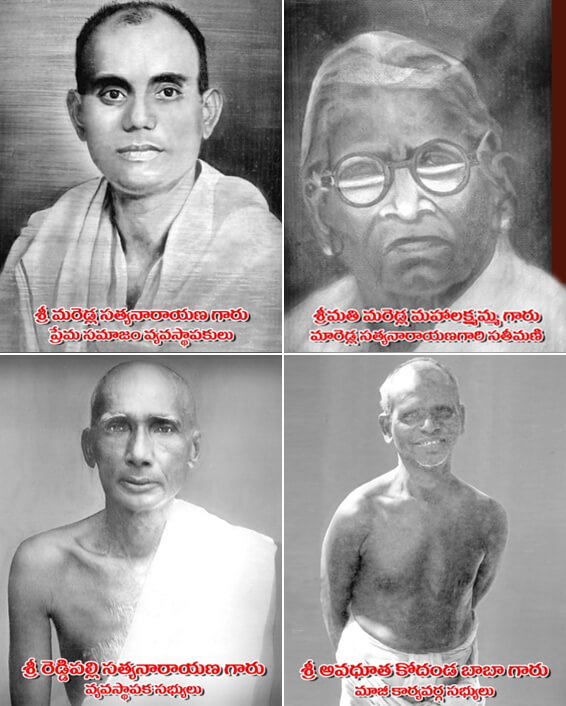
Growth and Expansion (1941-1980):Under the leadership of Sri Kancharla Ramabrahmam (1941-1946), Prema Samajam flourished with initiatives such as destitute homes and leprosy service centers. His successor, Sri K.S. Dutt, further expanded these efforts. By 1980, the organization celebrated its Golden Jubilee with the President of India, Sri Neelam Sanjeeva Reddy, as the Chief Guest. Leadership transitioned to Sri Kancharla Ramachandra Rao in 1981, who guided the organization through its Diamond Jubilee in 1990.
Humanitarian and Relief Services:
Prema Samajam has been instrumental in disaster relief and social welfare:
- 1941: Provided aid to 200,000 Burmese refugees.
- 1943-1944: Conducted relief operations for cyclone victims in Northern Visakhapatnam (now Srikakulam district).
- 1946: Led sanitation drives and fought against untouchability, advocating for Harijan temple entry.
Education: Established a primary school in 1952, later upgraded to a high school for girls, with over 2,000 students.
Daily Feeding Program: Served over 4 million meals to the needy from 1930 to 2007.
Orphanage: Provided shelter and education to over 2,650 orphaned boys and girls.
Typewriting Institute (1985): Trained students and women in typewriting skills.
Destitute Home (1963): Provided care for chronically ill and homeless individuals, supported by public donations and government grants.
Leprosy Service Centre (1955): Treated thousands of patients, funded by international donors like the German Leprosy Relief Association (GLRA).
Cultural and Social Awareness Programs: Prema Samajam used cultural performances, such as stage plays and dance programs, to raise awareness on social issues and mobilize funds. Notable works like Arthanatham gained widespread acclaim.
Modern Developments and Leadership (1990-Present): Sri G.S.K. Arya became president in 1990, leading Prema Samajam into its Platinum Jubilee celebrations in 2007. The organization constructed the Kancharla Annapoorna Devi Auditorium for public meetings and events. The auditorium was renovated in 2007 with contributions from Sri Kancharla Ramabrahmam’s family.
Conclusion: Prema Samajam remains a beacon of service, upholding values of universal love, non-violence, and selfless social service. With ongoing support from philanthropists and volunteers, it continues to impact countless lives through education, healthcare, and humanitarian initiatives.